Air Balloon Font for Web Design
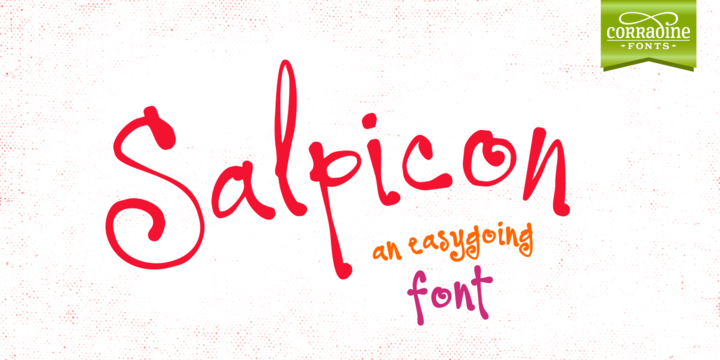
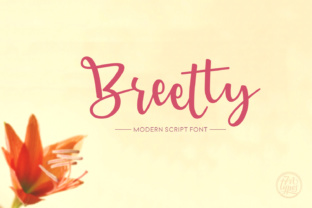
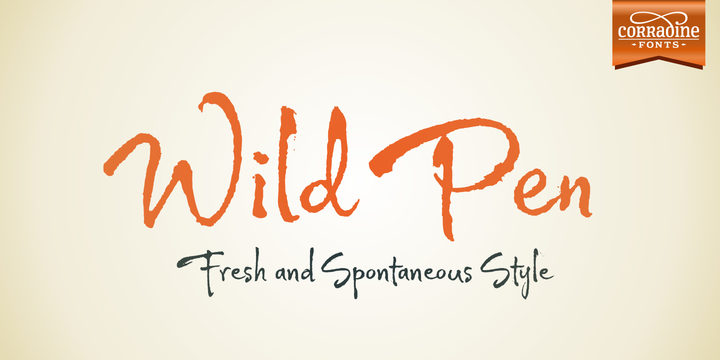
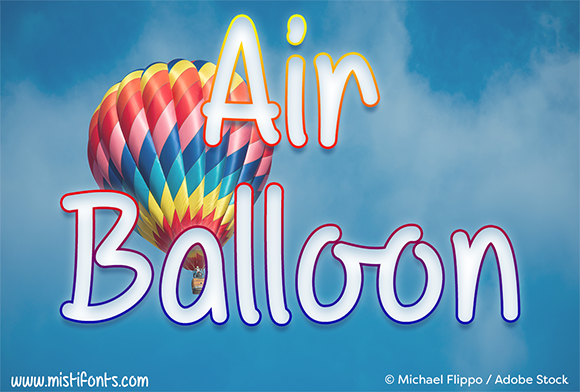
Air Balloon is a cute, handwritten font that brings a playful and approachable feel to digital design. As a web designer, I appreciate fonts that add character without sacrificing clarity. Air Balloon fits this balance perfectly, making it ideal for creative projects that need a personal touch.
The font’s soft curves and irregular strokes give it a handcrafted quality that feels warm and authentic. This makes it especially effective in designs that aim to convey creativity, craftsmanship, or emotional connection. Its visual personality works well in both modern and traditional contexts, depending on how it's paired and applied.
Using Air Balloon in Web Layouts
In web design, Air Balloon shines as a display font for headers, hero sections, and call-to-action elements. Its unique shape helps draw attention while maintaining legibility at larger sizes. For example, using it for a landing page headline can create an immediate sense of personality and brand identity.
When used in short phrases like “Join Our Community” or “Start Your Journey,” Air Balloon adds a friendly tone that resonates with users. It also works well for buttons, banners, and logo text, where its expressive style can reinforce a brand’s voice without overwhelming the layout.
For online stores, Air Balloon can be used in product titles, promotional banners, or social media graphics. Its handmade look pairs well with boutique aesthetics, helping to differentiate a brand in a crowded market. It’s particularly effective when paired with clean, minimal backgrounds that let the font stand out.
Readability and Visual Hierarchy
While Air Balloon is best suited for display purposes, it can still contribute to visual hierarchy when used thoughtfully. In web layouts, it’s most effective as a primary or secondary heading rather than body text. Its organic shapes may reduce readability at smaller sizes, so it’s important to keep text large and well-spaced when using it for longer content.
On mobile screens, Air Balloon performs well as a title or label, but it’s not recommended for extended reading. For responsive designs, consider using it only for key elements like section headers or CTA buttons. When placed over dark backgrounds or image overlays, ensure sufficient contrast to maintain legibility.
Designers should also be mindful of spacing and line height when using Air Balloon. Tight kerning or poor leading can make the font feel cluttered, especially in complex layouts. A little extra space between letters and lines goes a long way in improving overall readability.
Brand Tone and User Engagement
Air Balloon’s handwritten style can help establish a brand’s tone in digital experiences. Whether you're designing for a lifestyle blog, a creative agency, or an e-commerce site, this font adds a human element that feels more relatable than rigid typefaces. It’s perfect for brands that want to communicate warmth, authenticity, or a personal touch.
Using Air Balloon in a coaching website or course sales page can enhance user engagement by creating a more inviting and approachable interface. It helps build trust by making the content feel more genuine and less automated. This is especially valuable in industries where personal connection plays a key role in conversion.
For portfolio sites, Air Balloon can be used in project titles or artist names to add a custom, curated feel. It complements other design elements like illustrations or hand-drawn graphics, reinforcing a cohesive aesthetic across the site.
Font Pairing and Design Integration
To maximize the impact of Air Balloon, pair it with complementary fonts that balance its decorative nature. A simple sans serif like Roboto or Open Sans works well for body copy, providing contrast and clarity. This combination keeps the design from feeling too ornate while maintaining a professional look.
For editorial-style websites or blogs, pairing Air Balloon with a serif font like Georgia or Playfair Display can create a sophisticated, timeless feel. This pairing is ideal for content-heavy sites where readability and elegance are priorities.
When working on a brand kit, consider using Air Balloon for logos, social media handles, or taglines. Its versatility allows it to function as both a decorative and functional element, depending on the context. Ensure that the font is available in multiple weights or styles if needed for different applications.
Commercial Use and Licensing
Before using Air Balloon in client projects, online stores, or commercial websites, check the licensing terms. Most premium fonts require proper attribution or purchase for web use, especially if they’re embedded via Google Fonts or hosted on a server.
For designers working on digital templates or SaaS platforms, confirm that the font license covers redistribution or embedding. This ensures compliance and avoids potential legal issues down the line.
When selecting a font like Air Balloon, consider its availability in common file formats such as OTF, TTF, or WOFF. These formats are essential for web use and ensure compatibility across different platforms and browsers.
Air Balloon’s handwritten charm makes it a valuable addition to any designer’s toolkit. Whether you're building a creative portfolio, launching a new brand, or refining a digital experience, this font offers a unique way to express personality and purpose in your work.